
×
F
I
G
&
O
L
I
V
E
- One Piccadilly, Gulberg Greens Block A Islamabad, 47331, Pakistan
- Daily: 11:00 AM - 11:00 PM

- One Piccadilly, Gulberg Greens Block A Islamabad, 47331, Pakistan
- Opening Hours - Daily: 11:00 AM - 11:00 PM
- contact@fignolive.pk
- 22 Jul, 2026
- By: Executive Chef Saeed Khan
- Grill
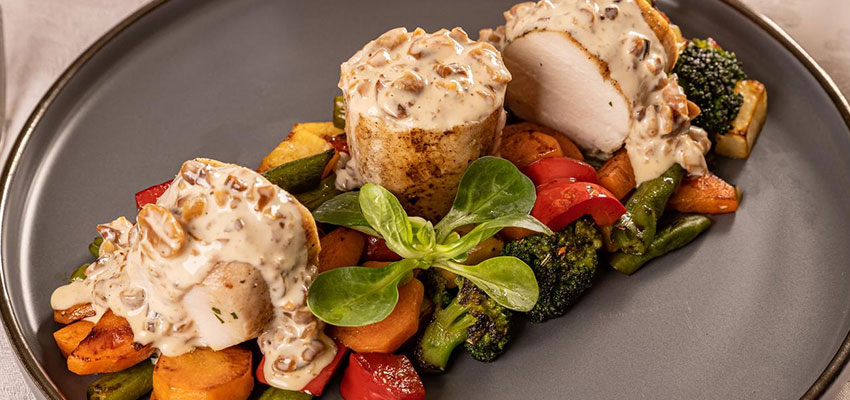
Mediterranean grilling is more than a cooking method. It is a celebration of fresh ingredients, open flames, bold aromas, and the simple pleasure of sharing good food around a table.
Across the Mediterranean region, from the coastal towns of Greece and Turkey to the vibrant kitchens of Lebanon, Morocco, Italy, and Spain, grilling has long been part of everyday life. Each country brings its own ingredients and traditions, yet the philosophy remains remarkably consistent: use quality produce, season it thoughtfully, and allow fire to bring out its natural character.
Simplicity at the Heart of the Grill
What makes Mediterranean grilling distinctive is its simplicity. Instead of masking food with heavy sauces, Mediterranean cooking focuses on enhancing the original flavour of each ingredient.
A fresh fillet of fish may need little more than olive oil, lemon juice, sea salt, and herbs. Chicken is often marinated with garlic, yoghurt, citrus, and spices before being placed over hot coals. Vegetables such as peppers, courgettes, aubergines, tomatoes, and onions develop a naturally sweet and smoky taste when grilled.
The goal is not to overpower the food. It is to create balance.
The Importance of Fresh Ingredients
Freshness is the foundation of Mediterranean cuisine. Seasonal vegetables, aromatic herbs, quality meat, fresh seafood, citrus fruits, and extra virgin olive oil are central to the grilling tradition.
Ingredients are selected for their flavour before they ever reach the fire. Ripe tomatoes, fragrant rosemary, tender cuts of lamb, and freshly caught seafood require very little preparation when their quality is high.
This focus on freshness allows Mediterranean grilled dishes to feel satisfying without becoming too heavy. Even rich meats are commonly served with crisp salads, grilled vegetables, yoghurt-based sauces, or bright citrus dressings.
Marinades That Build Flavour
Marination plays an important role in Mediterranean grilling. A good marinade does more than add flavour. It can tenderise meat, retain moisture, and create a beautifully caramelised surface during cooking.
Olive oil is usually the base, carrying the flavours of garlic, herbs, spices, and citrus deep into the food. Lemon juice adds freshness, while yoghurt helps soften chicken and lamb. Herbs such as oregano, thyme, parsley, mint, and rosemary bring distinctive regional aromas.
Common spices may include paprika, cumin, coriander, black pepper, sumac, and chilli. The exact combination changes from one region to another, but restraint remains important. Every ingredient should contribute without dominating the dish.
Mastering Heat and Flame
Controlling the fire is one of the most important skills in grilling.
High heat is ideal for creating a crisp, caramelised exterior on steaks, kebabs, seafood, and vegetables. Lower or indirect heat is better for thicker cuts that need time to cook evenly without burning.
Traditional charcoal grilling adds another layer of flavour. As juices and marinades fall onto the hot coals, they create aromatic smoke that rises back into the food. This gives grilled dishes their characteristic depth and slightly smoky finish.
Patience is equally important. Constantly moving or pressing food can prevent proper browning and cause valuable juices to escape. Allowing meat or vegetables to remain undisturbed for a few minutes helps create the defined grill marks and savoury crust associated with expert grilling.
Meat, Seafood, and Vegetables
Mediterranean grilling offers remarkable variety.
Lamb is especially popular and may be prepared as chops, skewers, minced kebabs, or slow-grilled cuts. Chicken is commonly seasoned with lemon, garlic, herbs, and yoghurt. Beef may be grilled simply or shaped into kofta with onions, parsley, and spices.
Seafood also has a central place on the Mediterranean grill. Whole fish, prawns, calamari, and octopus are often cooked quickly and finished with olive oil, lemon, and fresh herbs.
Vegetables are not treated as an afterthought. Grilled aubergine, peppers, mushrooms, courgettes, onions, and tomatoes can become the centre of a meal. Their natural sugars intensify over the flame, creating rich flavour with minimal seasoning.
Even fruits such as peaches, figs, and lemons can be grilled to develop sweetness, acidity, and a light smoky aroma.
Sauces and Accompaniments
The right accompaniment brings contrast and balance to grilled food.
Creamy hummus, smoky baba ghanoush, garlic sauce, tzatziki, tahini, and herb-based dressings are commonly served alongside grilled dishes. Fresh salads, warm flatbreads, olives, pickled vegetables, rice, and roasted potatoes complete the meal.
These additions are rarely used to hide the flavour of the grill. Instead, they add freshness, texture, acidity, or creaminess. A spoonful of cool yoghurt sauce can balance a spicy kebab, while a squeeze of lemon can lift the richness of grilled fish.
Grilling as a Shared Experience
Mediterranean food is closely connected to hospitality. Grilled dishes are often placed at the centre of the table and shared among family and friends.
A typical meal may include several plates rather than a single individual serving: skewers of grilled meat, warm bread, colourful salads, dips, vegetables, and sauces. This creates a relaxed dining experience where conversation becomes as important as the food itself.
The grill naturally brings people together. Its aromas create anticipation, its preparation encourages participation, and its dishes are made for sharing.
Bringing Mediterranean Grilling Home
Recreating Mediterranean grilling does not require complicated equipment or rare ingredients. A simple grill pan, barbecue, or charcoal grill can produce excellent results.
Begin with fresh ingredients. Prepare a balanced marinade using olive oil, lemon, garlic, herbs, and a small selection of spices. Allow meat enough time to absorb the flavours, but avoid marinating delicate seafood for too long.
Preheat the grill properly, remove excess marinade to prevent burning, and cook ingredients in manageable batches. Finish the food with fresh herbs, a drizzle of olive oil, or a squeeze of citrus.
Most importantly, keep the process simple. Mediterranean grilling is not about excessive decoration or complicated techniques. It is about respecting the ingredient and using heat with confidence.